


Over the weekend, I found myself in the passenger seat on my way to yet another soccer game, Jon at the wheel, my daughters in tow.
To pass the time on the 40-minute drive, we listened to a well-being podcast hosted by a small group of wellness practitioners. They were discussing how the body is more space and light than matter, and how, after working with thousands of patients and using various diagnostic tests, they’ve noticed that human emotion is the contributing factor to health, or a lack thereof.
They shared that time and time again, people who are “happy” tend to have great health, whether or not they do anything deliberately for their well-being.
This got me thinking about all the things I do for my health. The handful of supplements I take morning and night. The HRT I swear by. The 100+ grams of protein I aim to eat. The smoothies with creatine and hemp hearts. The weights I lift two to three times per week. The sleep masks. The dry brushing before showers. Time on the rebounder. And on and on and on.
I trust that these things are good for my body. And yet, what I was hearing was that if I could just find a way to be happy, these other things might not matter so much. I guess one can’t sell happiness quite the same way one can sell all the above-mentioned health solutions.
Being happy could save me time and money and make me healthier?
This made me realize that maybe I should take my happiness as seriously as I take all of my other health regiments.
I’m not saying I’m unhappy. Just that if happiness helps my health as much as those practitioners suggest, maybe I should be seeking ways to be happier, not just the next round of health quackery.
As we continued driving on that cold, gray Cleveland day, the podcast still running in the background, I wondered, Can I find a way to be happier more often in these conditions? If you know Cleveland, you know we have a lot of gray days.
That question made my mind wander to a conversation I once had with my coach, who lived most of her life in Wisconsin but now finds herself living in sunny Florida. She told me that for years she wondered if she was actually happier when she visited Florida, or if it just felt that way because she was on vacation, away from the day-to-day grind. After living there for a few years, she now knows she’s happier there.
Does that mean I need to live somewhere else to optimize my chances of being happy?
I’ve always wished I were one of those people who could be easily and unconditionally effervescent. I think I may have had more capacity to be that way at other stages of my life, but then again, that’s easy to say in hindsight. Midlife has not been a place of easeful happiness for me.
Happiness feels much more conditional these days. And still, I wonder if I can change that.
Perimenopause has taught me that I can optimize a lot of things, but I can’t optimize my way out of being human. Hormones shift. Energy fluctuates. Moods rise and fall.
This podcast got me taking my own happiness more seriously. But it also got me wondering how capable I am of being truly happy.
And the truth is, there are a lot of really good things in my life. I get to share it with the love of my life, my fiancé Jon. I have two beautiful daughters and three healthy, happy bonus kids. I have reclaimed my Christian faith and feel spiritually renewed. I get to do work I love with people I enjoy, and I have the flexibility to keep my family first.
There is a lot to be happy about.
Later in the weekend, in the midst of all this questioning and contemplation, my birthday gift arrived from my sister. A book by Thich Nhat Hanh called No Mud, No Lotus: The Art of Transforming Suffering.
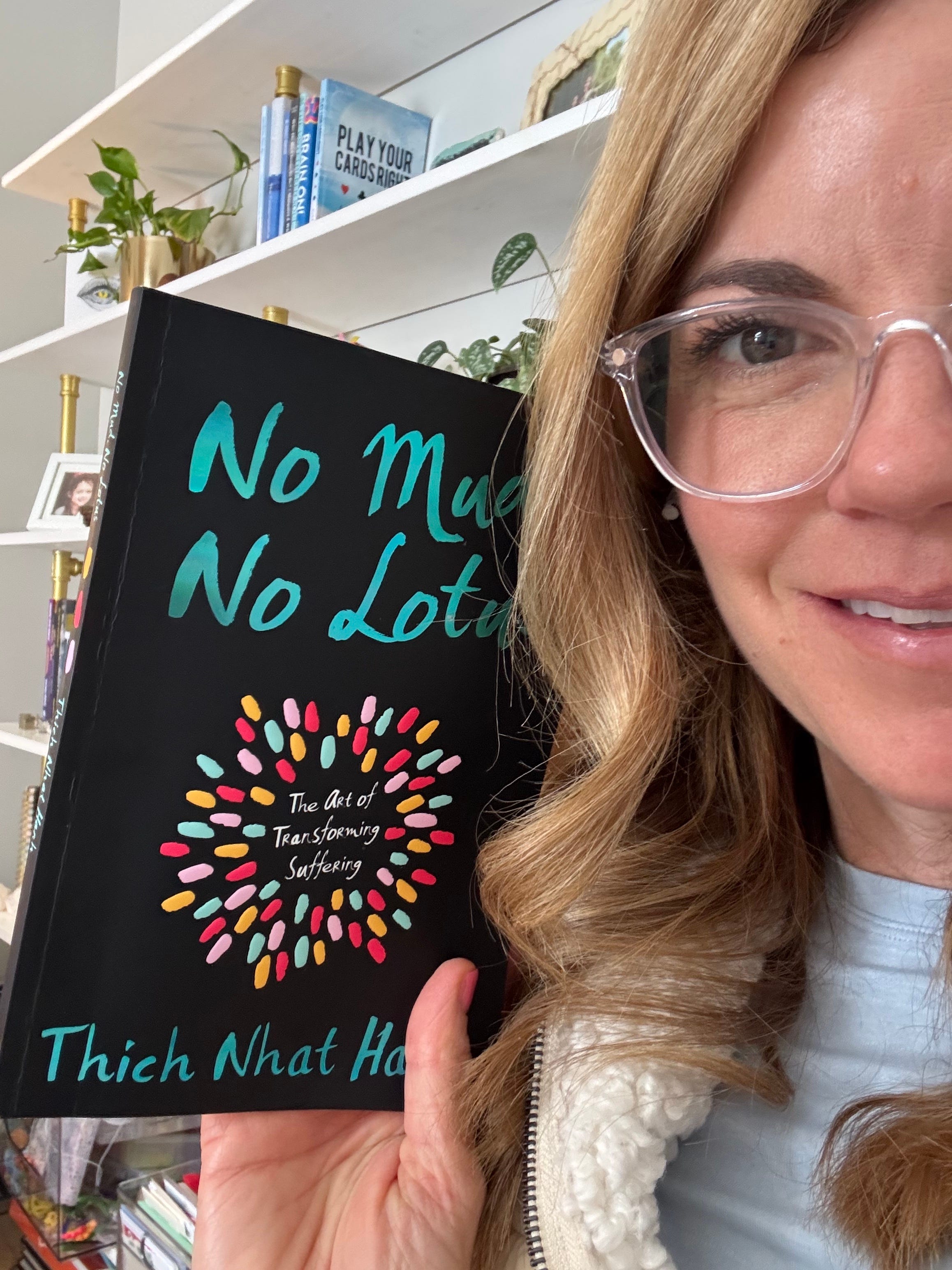
On the very first page, I read this line:
“Being able to enjoy happiness doesn’t require that we have zero suffering. In fact, the art of happiness is also the art of suffering well.”
That one line gave me so much hope. It helped me see that happiness and suffering are not separate, but two sides of the same coin. We can’t have one without the other.
Then this line:
“If we can learn to see and skillfully engage with both the presence of happiness and the presence of suffering, we will go in the direction of enjoying life more.”
All of a sudden, my pursuit of happiness felt much more accessible. I felt permission not to get rid of suffering or dread it, but instead to learn how to suffer well when I’m not feeling happy. In that realization, I felt a new sense of freedom and possibility.
My mind then ping-ponged back to my mindfulness practice, called Unified Mindfulness. The reason I was initially drawn to it was because when they described the benefits of mindfulness, the number one benefit wasn’t “making me happier.” It was “reducing suffering.”
The techniques I learned through that training are still with me today as tools. Somehow, I had just forgotten the role they can play in holding suffering differently.
So where does this leave me in regard to my own happiness?
Can I be more unconditionally happy? Or better yet, can I reduce my suffering? Perhaps by changing my relationship to suffering, I naturally become happier.
More likely, it’s the combination of reducing my suffering, by holding it differently, being present with it, not pushing it away, and not seeing it as in the way of my happiness, and choosing to engage with people and things that genuinely bring me joy.
In the work I teach around conscious leadership, we talk about being aware of our influence. Not just our influence on others, but our influence over our own internal state. I can’t control Cleveland’s gray skies. I can’t control this season of midlife. But I can influence how I meet them.
It isn’t about the ease of feeling happy on a blue-sky, sunshine-filled day every day. It’s about the opportunity of a cold, gray day and suffering less.
And maybe this season isn’t asking me to be happy for no reason.
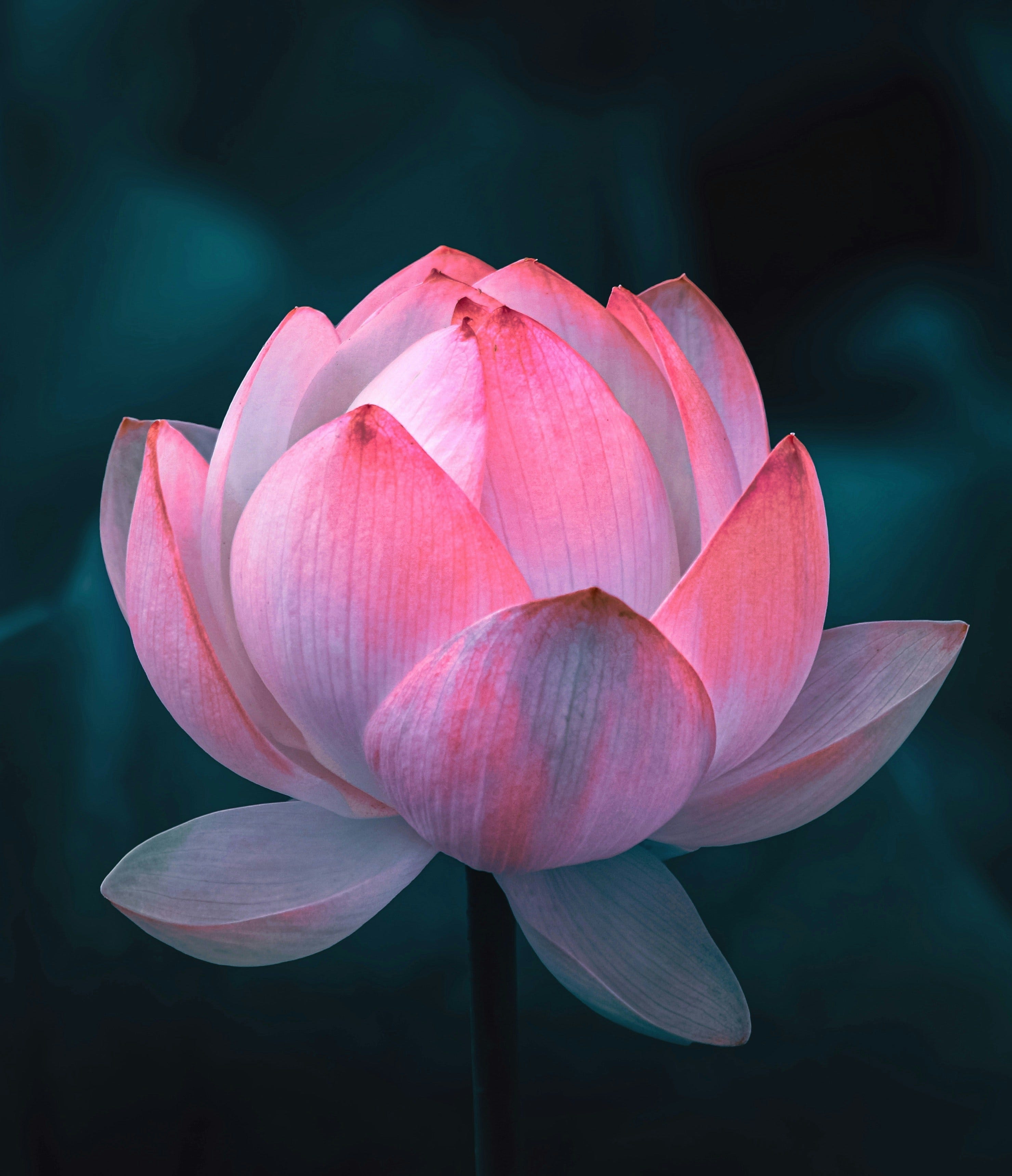
Maybe it’s asking me to become more gentle with myself. More honest about what hurts. More trusting that even here, even now, God is present in the mud as much as in the lotus.
And perhaps that, too, is its own kind of happiness.
Adair, Enjoyed your Substack on the topic of happiness today.
Not sure if you follow Arthur Brooks. He teaches a Happiness Course at Harvard. It is always oversubscribed.
Catch him on a you tube podcast on the subject I think you will enjoy it.
Also, he has a 5-part series on the Hallow App called the secrets to happiness which is excellent.
He is by far my favorite person on this topic.
Be happy,
Steve in Iowa/Chicago
Suffering is often seen as a gift that produces endurance, character, and hope, drawing believers closer to God.